Passiflora Butterflies 10 larvae unidentified Heliconius and allied species

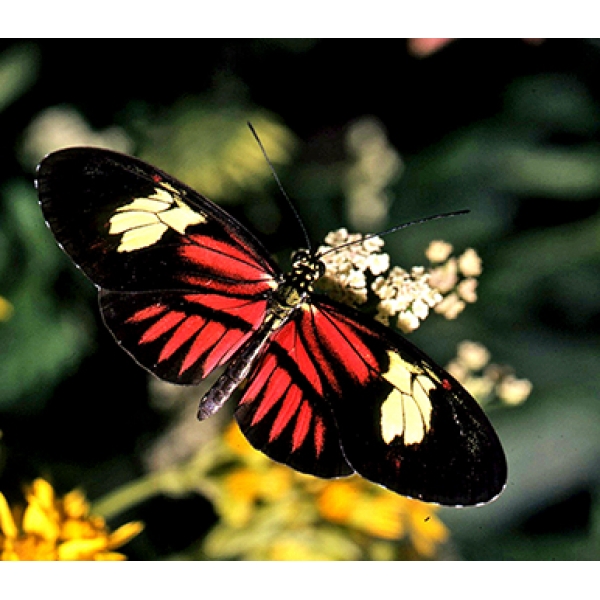
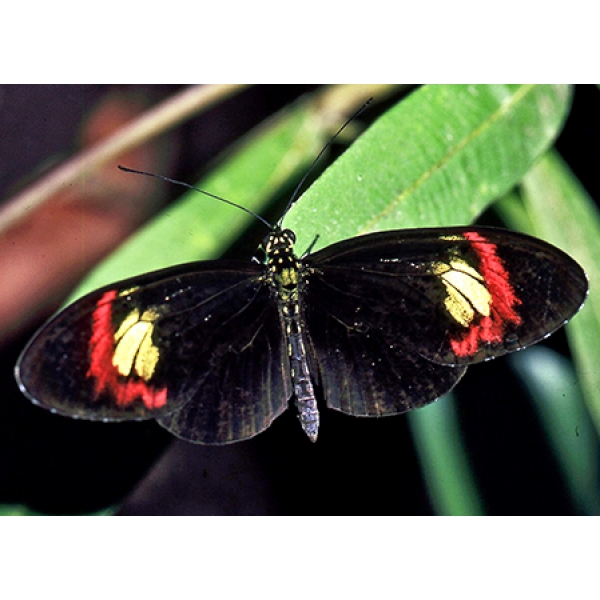
Heliconius melpomone Central and South America
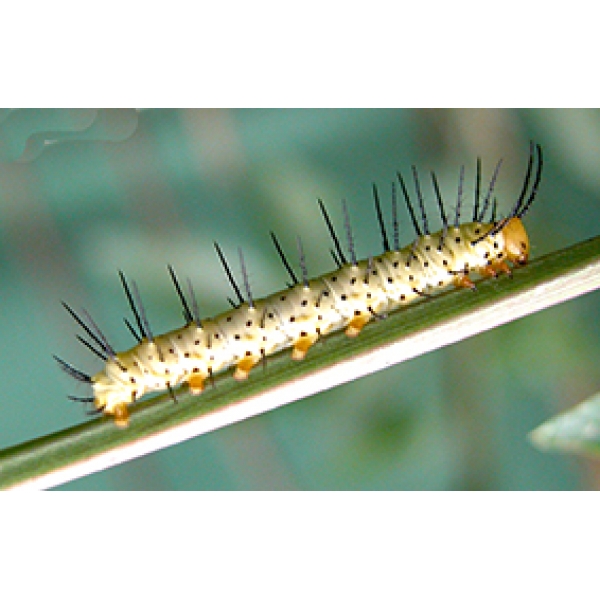
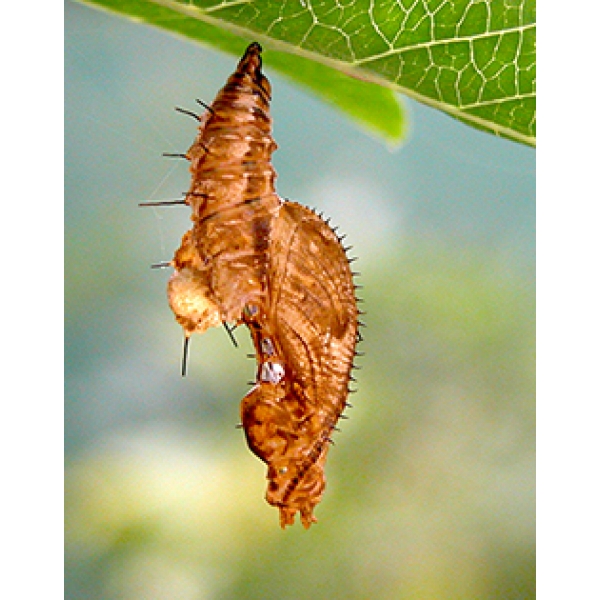
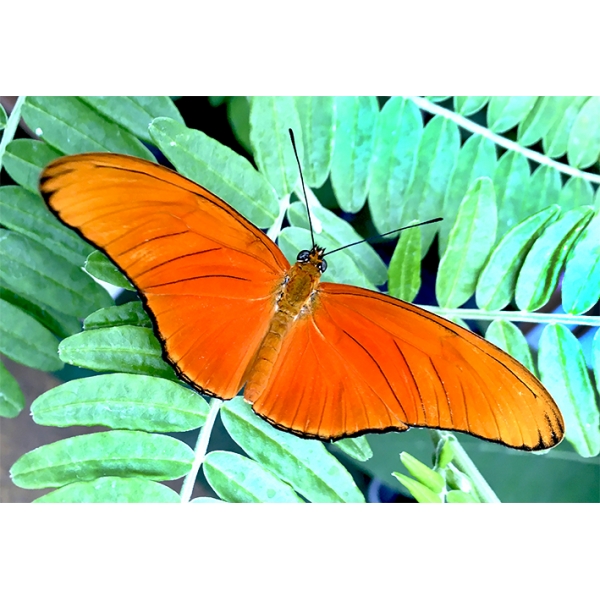
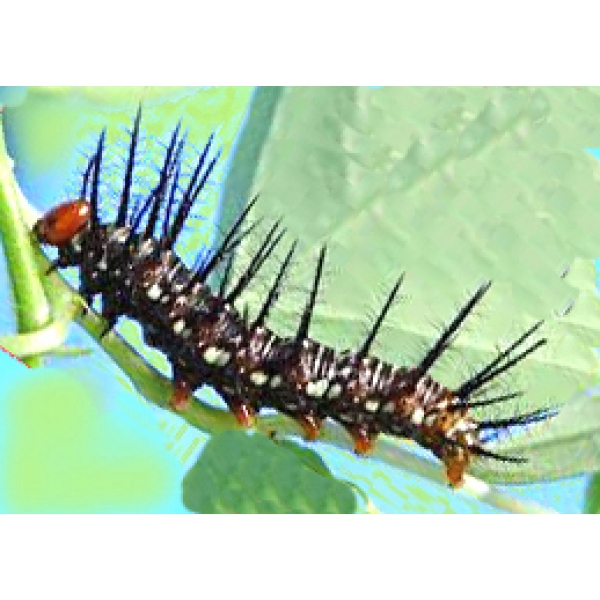
TEN unidentified Passiflora-feeding larvae from the flight area, mostly Heliconius but may include Deione, Dryas and allied species. Fast growing and easy to keep on growing Passion Plant.
The Heliconius butterflies are mimetic, not only of each other, but they also imitate other species that are distastful to predators. The infinite variety of colour forms and patterns is astonishing.
The habits of Heliconius butterflies are wonderful to observe. Some are capapble of hovering and even flying backwards. The butterflies are able to gather not only nectar through the proboscis, but also pollen which they store in the coils of the proboscis.
Some individuals have been known to survive for months, even in captive conditions.
Eggs are laid on the growing shoots and tendrils of Passiflora, on which the larvae feed. Most lay eggs individually though some lay in groups. The butterflies are continuously brooded and can become a magnificent feature of a greenhouse or conservatory.